ANCIENT ENIGMAS
Genomes Trace Hawaii's First Settlers Across 7,000 Kilometers of Open Ocean to Easter Island
Researchers from Stanford Medicine and UC San Diego say the DNA of living Polynesians records a vast voyage and a heavy genetic legacy.
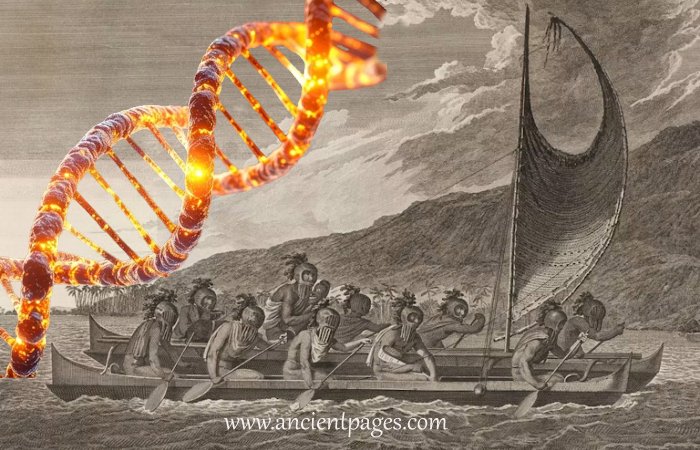
STANFORD, CALIF. — A new genetic study has traced the ancestry of Native Hawaiians back to Easter Island, according to a report by Jan Bartek of AncientPages.com. The study, published in the journal Science, was carried out by researchers at Stanford Medicine and the University of California, San Diego.
No written records survive of the great Polynesian voyages, the report notes, so the team turned to the genomes of more than 1,000 people across the islands. By comparing shared chromosome segments, they reasoned that longer shared stretches point to a more recent common ancestor. Hawaiians, they found, share the most Polynesian ancestry with people of Easter Island, followed by those of Mangareva.
Alexander Ioannidis, a co-senior author, said the team had once thought Easter Island was the end of the path. The other co-senior author is Keolu Fox, who is Native Hawaiian. Hawaii lies about 7,000 kilometers from Easter Island, the article states, roughly the distance from San Francisco to Lima.
The study also reports a heavy genetic consequence of such travel. Ancestors repeatedly sent small groups, sometimes only a few hundred, to settle new islands, producing what geneticists call founder effects. Ioannidis said these effects in Eastern Polynesians exceed those in well-studied European-descended populations by more than tenfold. A separate analysis of Tahiti's genomes estimated a founding generation of about 800 people, arriving around the year 1070.
The researchers examined three variants linked to inherited conditions affecting vision and kidneys. They are rare worldwide, yet carried by 2% to 3% of the Eastern Polynesians studied. Ioannidis argued that Native Hawaiians lack genetic testing guidelines and insurance reimbursement, and called for more sequencing and research resources.