LITERARY HAUNTINGS
Candlelit Ghost Story Contest at Villa Diodati Said to Have Birthed Two Monsters
A Spooky Isles feature recounts how a storm-bound party, a book of German ghost tales and a challenge to write horror gave rise to Frankenstein and The Vampyre.
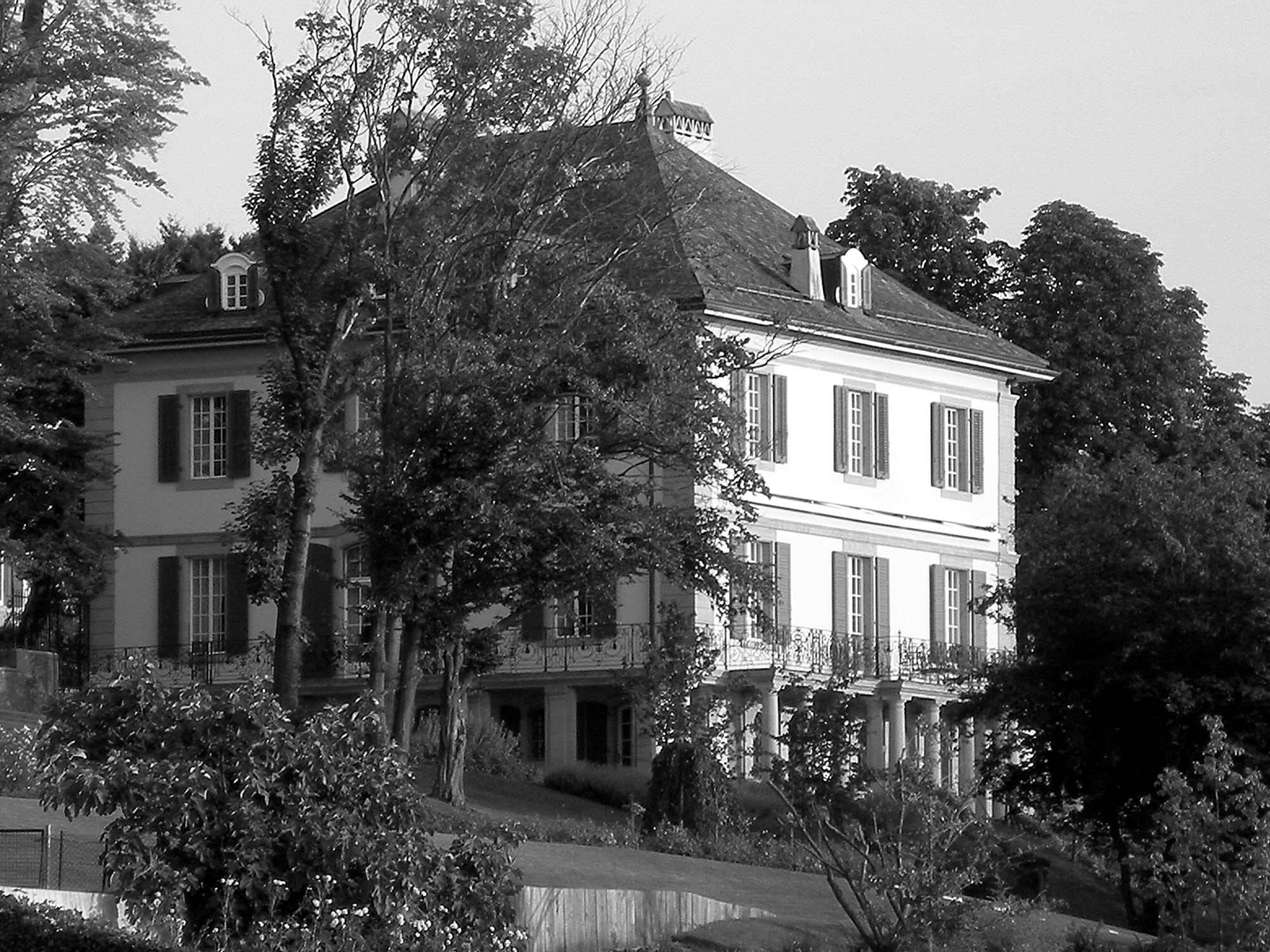
VILLA DIODATI — According to a feature published by Spooky Isles, a party sheltering from a storm at the Villa Diodati in 1816 lit candles and set about conjuring ghosts of the literary kind. Present, the article states, were Mary Wollstonecraft Godwin, not yet Mary Shelley, along with Percy Shelley, Claire Clairmont, Lord Byron and John Polidori.
The company is said to have fed its imagination on Fantasmagoriana, a collection of German ghost stories translated into French, reading each tale aloud. The author describes a cold, gloomy summer outdoors and a growing sense of dread within the house, though these are rendered in the atmospheric language of the piece rather than as documented events.
The article reports that the group had earlier discussed galvanism, the idea that electrical current might give dead tissue the look of life. This interested Mary particularly. Of the tales read, one called The Death-Bride stood out to her, the author writes, in which a jilted woman returns from the grave to confront her faithless suitor. A nightmare, the piece says, supplied the remaining spark. It quotes Mary Shelley's own recollection of seeing a pale student of unhallowed arts kneeling beside the thing he had put together.
The feature then turns to Polidori, who it says based the aristocratic vampire Lord Ruthven on Byron after travelling with him through Europe. The story grew from a fragment Byron began and abandoned during the challenge. When The Vampyre appeared three years later, in 1819, the publisher attributed it to Byron in hope of better sales. Polidori protested, and he is now credited as its author.
The author concludes that the night of 1816 continues to inspire, and that Gothic literature promises that a story, once closed, never quite leaves the reader. No actual apparitions are reported, the only spectres on the premises being those of the page.