ANCIENT ENIGMAS
'Ghost Circle' Said to Hint at Megalithic Network Older Than Stonehenge
A website's paywalled preview asks whether the famous monument was an isolated wonder or merely the best-known part of something far larger.
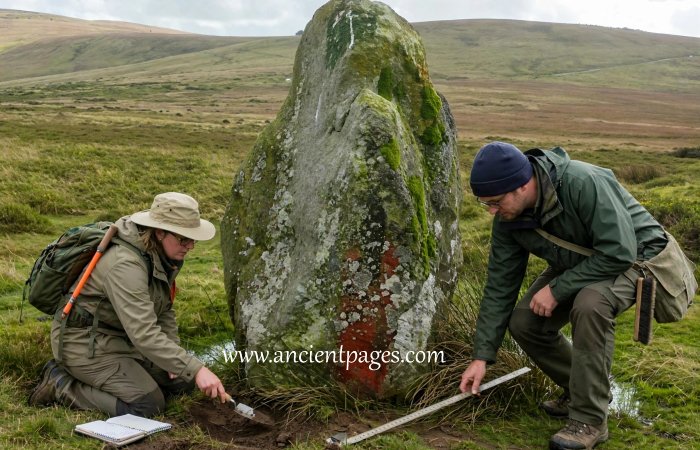
SOUTHERN ENGLAND — For years, the public heard a simple account of Stonehenge: the work of a single ancient culture in southern England. According to Ancient Pages, that account is now under strain.
In an article by Ellen Lloyd, the site says new geological evidence has changed the view. It describes "groundbreaking research" that has exposed something "far larger and far more unsettling" beneath the soil, and says scientists have been forced to raise a large question about British prehistory.
The question, as the article frames it, is whether Stonehenge was an isolated anomaly, a unique megalithic project, or only the most famous part of a much wider network of ancient sites. At the heart of the matter, the piece says, is a modern forensic investigation into an ancient site it calls the "Ghost Circle."
Readers hoping for particulars will be disappointed. The material available is only a preview of a premium article, reserved for members of Ancient Pages, and it names no location for the circle, no researchers, and no dates. How the geological evidence points to a network, and what the circle is made of, is not stated in the portion made public.
The preview closes by asking whether the Ghost Circle can offer clues to the ancient riddle. For now, the answer lies behind the membership gate, and this newspaper reports only that the question has been asked.