ANCIENT ENIGMAS
Sheffield Technician Revives Roman Glass Trick Lost for 1,600 Years
Dr Lisa Hollands, after many experiments with furnaces, oxygen and even sugar, is reported to have reproduced the color-changing effect of the Lycurgus Cup.
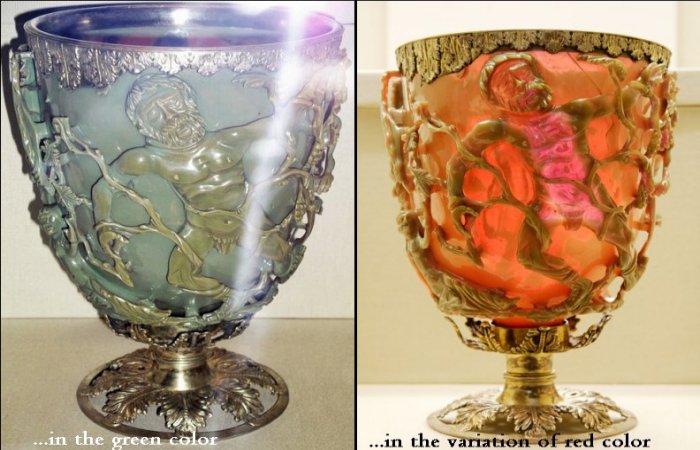
SHEFFIELD, ENGLAND — A technician at the University of Sheffield has reproduced, for the first time in some 1,600 years, the color-changing effect of the Roman Lycurgus Cup, according to a report by MessageToEagle drawing on a university press release.
The cup, which dates to the 4th century AD and is held by the British Museum, is made of dichroic glass. It appears jade green when light strikes it and ruby red when light passes through it. The report describes it as one of about 40 surviving glass cage cups and the only one to show the effect. An international panel of artists and conservators is said to have named it one of the seven glass wonders of the world in 2022.
No one knows precisely how the Romans managed it, the report states, though experts believe small amounts of gold and silver formed nanoparticles within the glass. Being smaller than the wavelengths of light, these particles absorb it strongly and show vivid colors according to their size and shape. Many have tried to copy the effect, but a consistent recipe long proved elusive.
The attempt began when Project Manager Christina Metcalfe challenged colleagues to replicate the cup for the university's LightFest in 2025. Dr Lisa Hollands, who says she has worked with glass for more than 25 years, consulted Roman glass expert Professor Caroline Jackson and developed a base glass from modern materials. The harder task, she says, was getting the gold and silver into the glass in the right form. After trials with different furnaces, starting materials, oxygen levels and sugar, she reached a recipe that looked opaque green in reflected light and red when lit from behind.
Glass artist Elliot Walker, winner of the second season of Netflix's Blown Away, was then commissioned to make a sculpture from the recipe. He describes it as a blend of the Lycurgus story and the Farnese Atlas, with the globe replaced by a cup. The glass will mainly serve decorative ends, the report says, though the findings are expected to inform new photonic materials and glasses for radioactive waste management.