ANCIENT ENIGMAS
Laser Survey Finds Belize's 'Pristine' Jungle Still Grows in Maya Footprints
Researchers report that tree height and canopy thickness in a Belizean reserve track the farms and ruins of a civilisation long vanished from view.
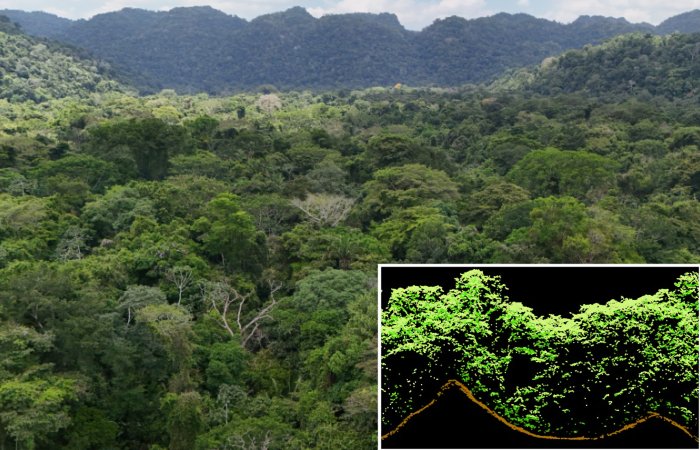
BELIZE — Central America's seemingly untouched rainforests may be less wild than they appear. According to a report published by Ancient Pages, a new study finds that the structure of the Belizean jungle is still shaped by the engineering of the ancient Maya.
The researchers, from the University of Exeter and the University of Texas at Austin, worked under the UKRI-funded Bladen Legacy project, which examines 13,000 years of human and environmental history in Belize. They analysed airborne laser scanning data, known as LiDAR, gathered over the Rio Bravo Conservation and Management Area, once home to centres such as Wari Camp and Gran Cacao.
By comparing the modern forest canopy with the mapped remains of Maya works beneath it, the team reports a distinct correlation between past land use and present tree growth. The strongest patterns, the article states, lie around ancient farming sites where the Maya built canal networks for wetland agriculture. Those zones now support taller trees and denser canopies.
Areas near abandoned homes and civic centres show their own upper foliage structure. The researchers attribute this to limestone leaching from crumbling stonework into the soil, which shifts local nutrients in favour of species such as the Ramón tree.
Lead author Dr. Sara Eshleman said that what is thought of as pristine rainforest "may well owe much of its structure to the different ways that the Maya stewarded the land."
The data cover only a localised segment of Belize. Co-author Dr. Mark Robinson noted that LiDAR has mapped many similar settlements, terraces and field networks across Central America, and that if the same relationship holds there, Maya land management may be influencing large portions of tropical ecosystems. The team hopes to widen its research grid in future seasons. The study appears in Scientific Reports.