ANCIENT ENIGMAS
Iron Age King Verica Was a Queen, Says Bournemouth Researcher
Dr Miles Russell argues that the exiled ruler whose plea to Claudius preceded the Roman invasion of Britain was a woman, not a man as long assumed.
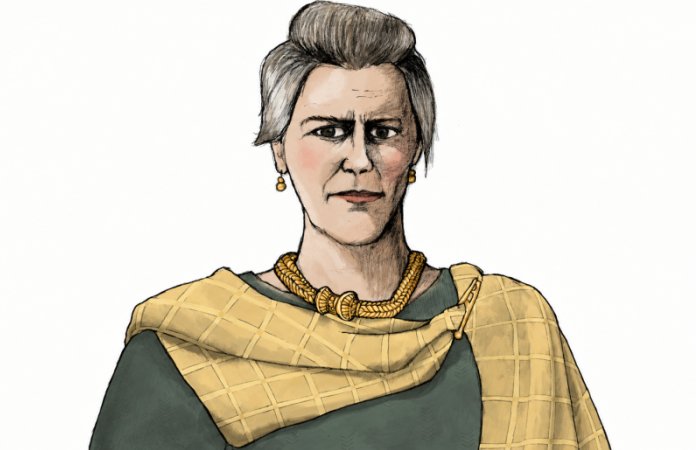
BOURNEMOUTH, ENGLAND — A ruler long counted among the most consequential figures of early Roman Britain has been reclassified, according to a report from Ancient Pages. Researchers at Bournemouth University hold that Verica, presumed for generations to have been a male king of the Atrebates tribe, was in fact a woman.
The Atrebates, the report says, occupied much of present-day Hampshire and West Sussex. Around 40 AD Verica was deposed and fled to Rome to seek the protection of Emperor Claudius. The Roman historian Cassius Dio states that Claudius invaded Britain only after Verica persuaded him to cross the Channel.
Dr Miles Russell, the university's Director of Archaeological Fieldwork and lead researcher, attributes the earlier assumption to the "patriarchal mindset of 19th-century classical historians." He observes that the name ends in 'a,' as did those of Cartimandua of the Brigantes and Boudica of the Iceni, who lived in the same period.
Dr Russell also addresses the Latin title "rex" on Verica's coins, which he says is not gender-specific; Cleopatra of Egypt, he notes, was recognized by Rome in similar terms. The coins' imagery, he argues, points the same way: where other British leaders appear as plainly male warriors, Verica is shown as a slender, feminine, bare-breasted rider on horseback.
The researcher further contends that Dio's account fits an ancient habit of portraying Claudius as henpecked. In his reading, Verica's role was more central than a whispered request, and she supplied tactical information and support on the ground. The invasion, he says, gave Claudius a chance to prove himself a military leader.
The findings appear in a new book, 'Caratacus: Great king of Britain,' published by Bloomsbury, and are discussed in Current Archaeology. The report adds that the work builds on earlier Bournemouth studies of women's roles in Iron Age Britain, including last year's suggestion of a matriarchal society. The article presents no dissenting voices.